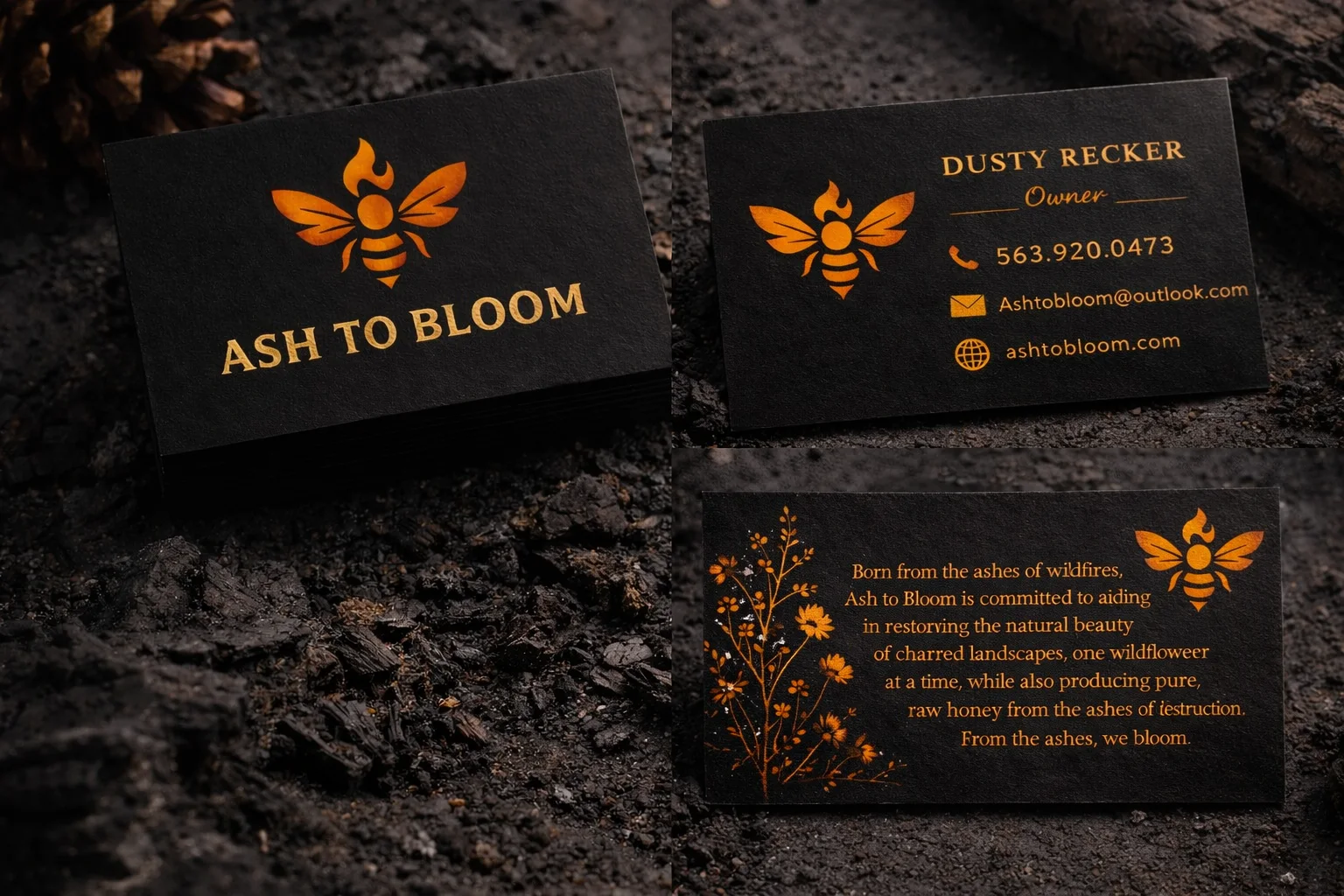
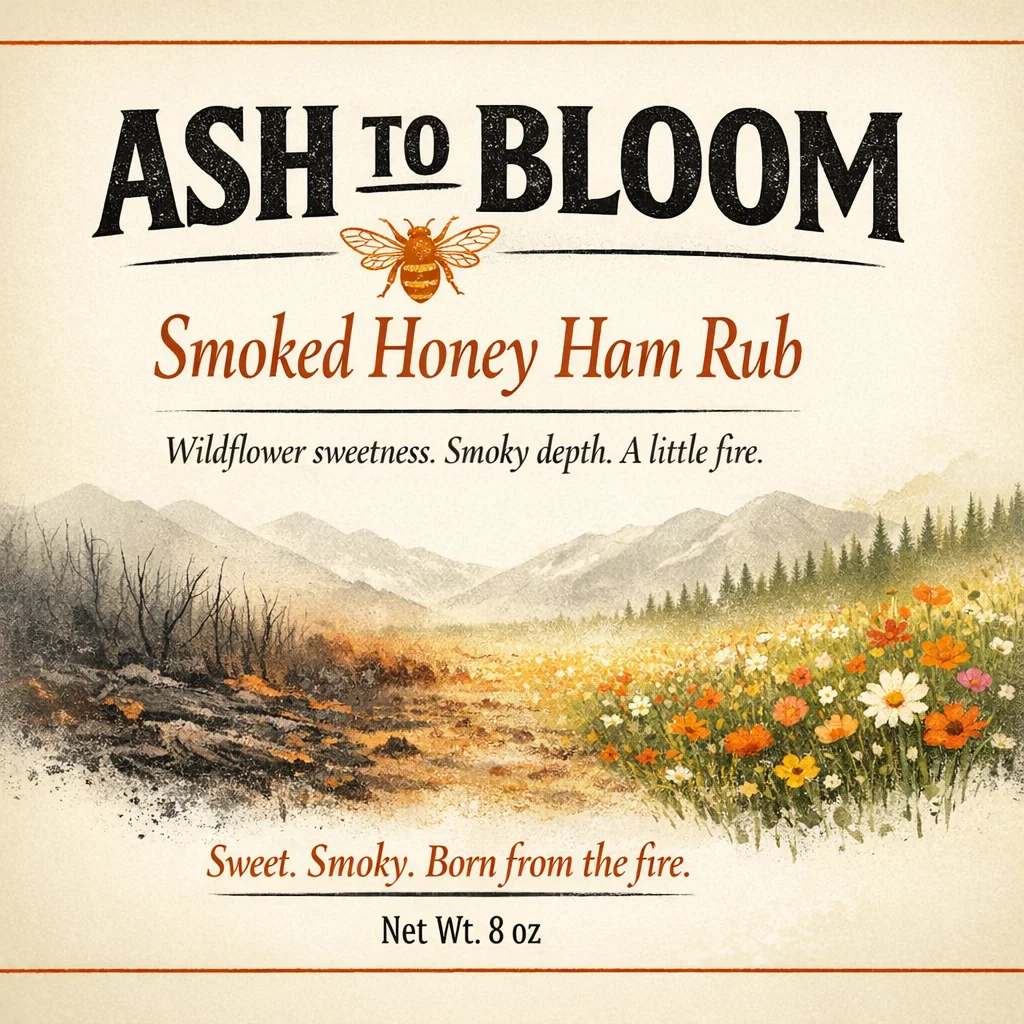
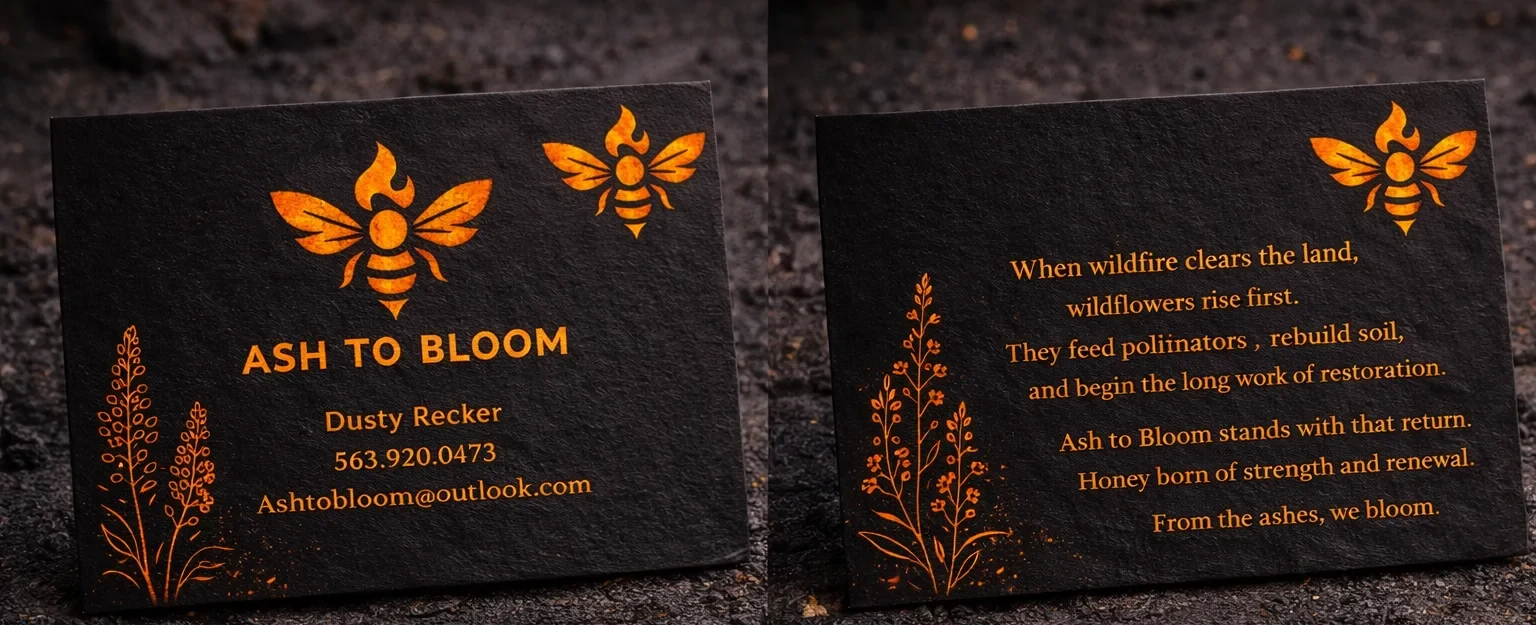
From the early card drafts
“Wildflowers rise first. Bees follow. Ash to Bloom.”
The short card lets the bee carry most of the story. The longer stories below give the back of a card, or a jar, room to tell more.
07.03 The fireweed back
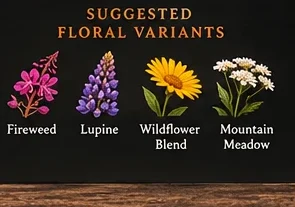
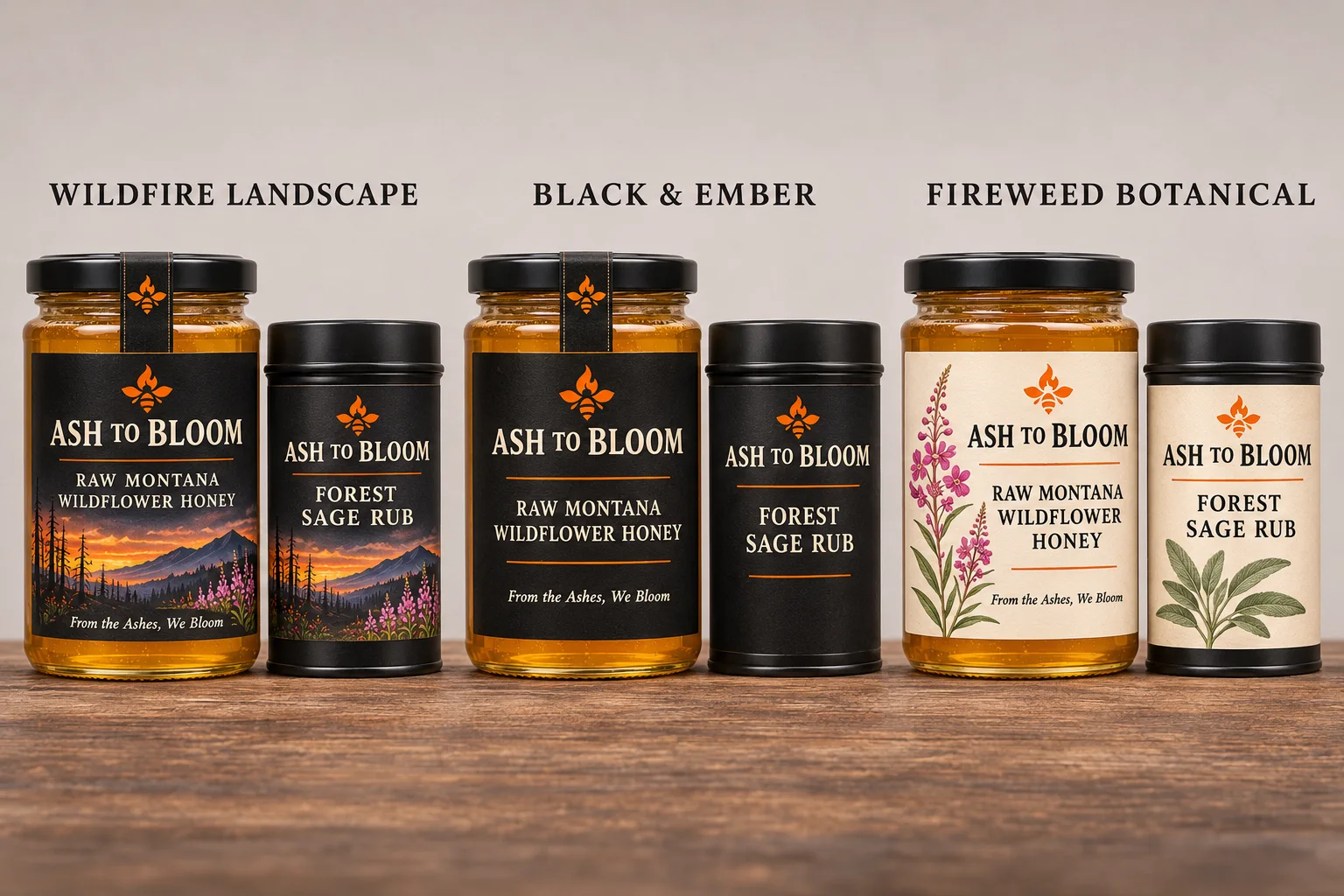
“When wildfire clears the land, wildflowers rise first. Fireweed is usually the one you notice: tall pink spikes coming up between the black trunks, often within a season or two. They feed pollinators, hold the soil, and begin the long work of restoration.
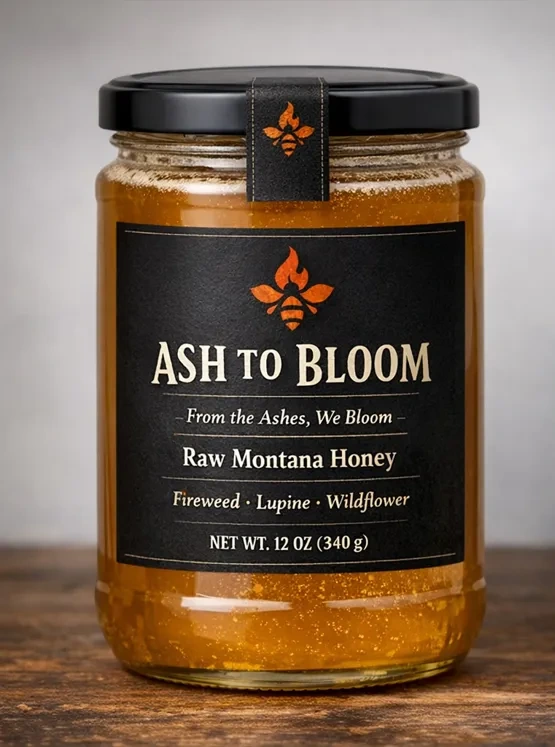
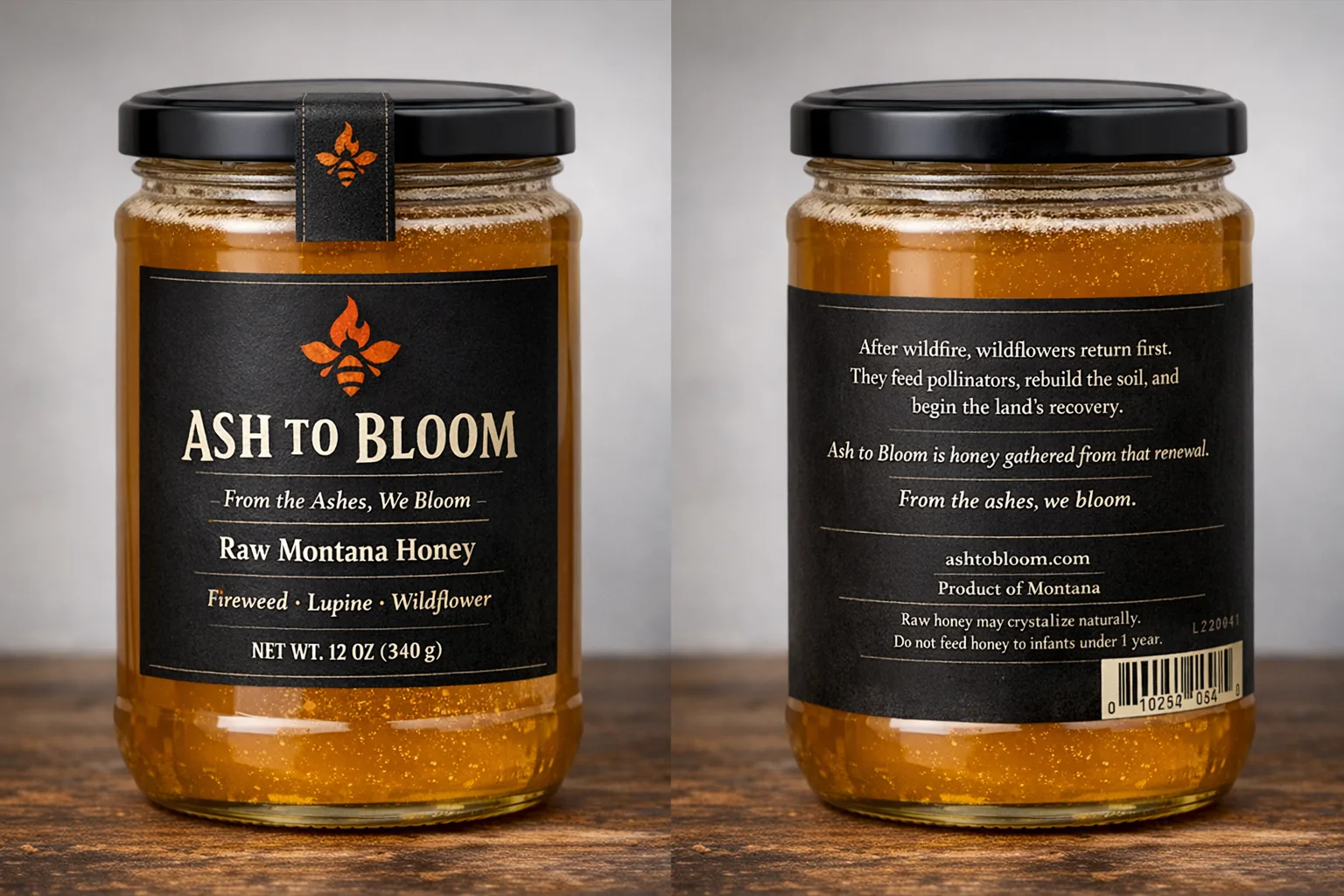
The bees find those flowers before most people do. Our hives sit south of Lolo, Montana, and every jar carries a little of what grew back on the hills around them.
Ash to Bloom follows that return. Honey born of strength and renewal. From the ashes, we bloom.”
07.04 A Montana story
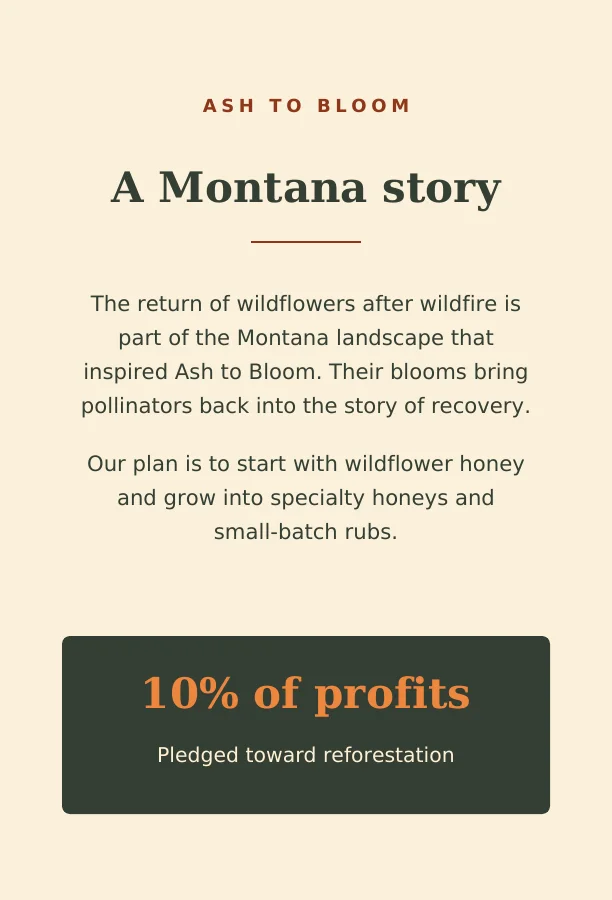
“After a wildfire, a familiar hillside can look like a different place. The trees you knew are black, and the ground is gray and quiet.
Then wildflowers start to return. Their color is one of the first things you notice, and their blooms give bees and other pollinators a place to forage as the land recovers. The trees will come back too, but it takes years. The flowers don’t wait for them.”
07.05 From the hive to the table
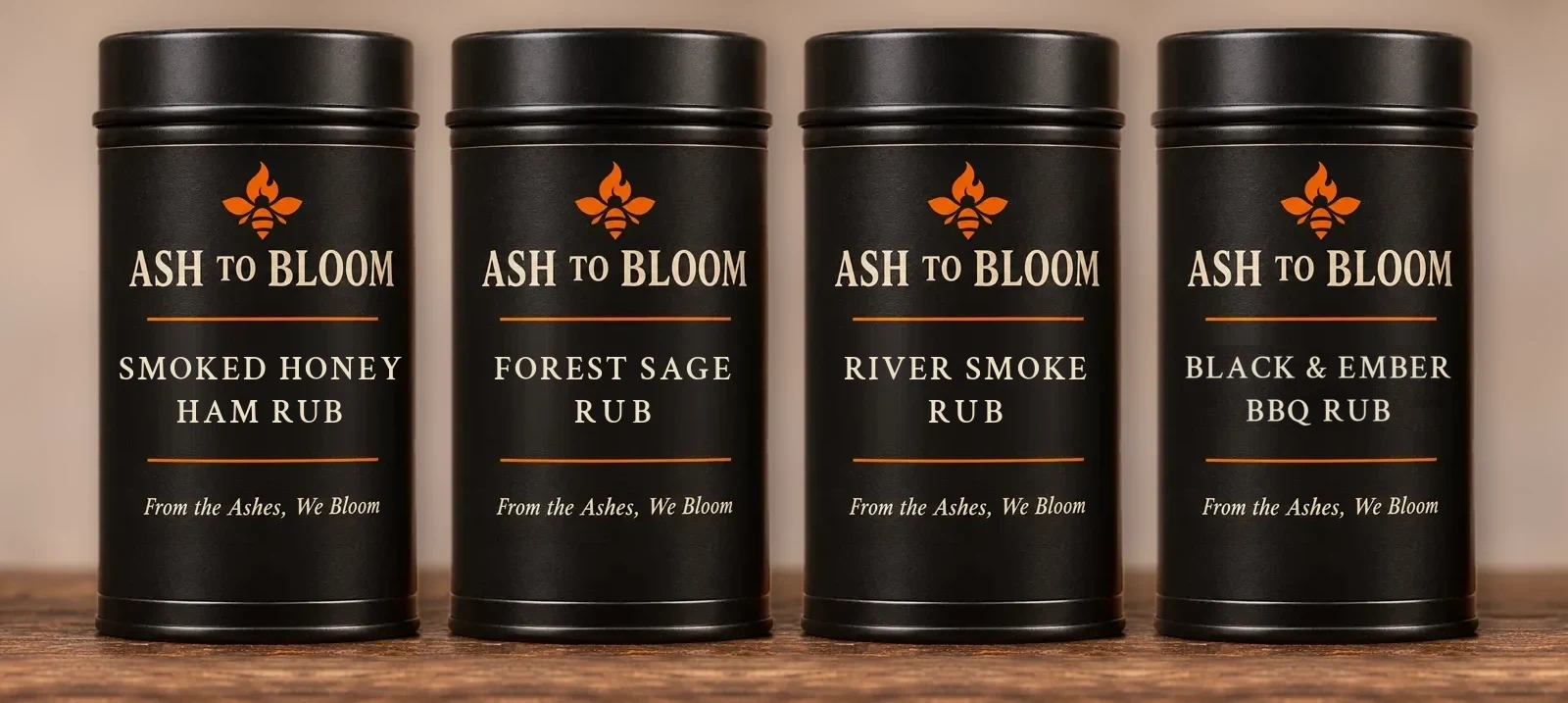
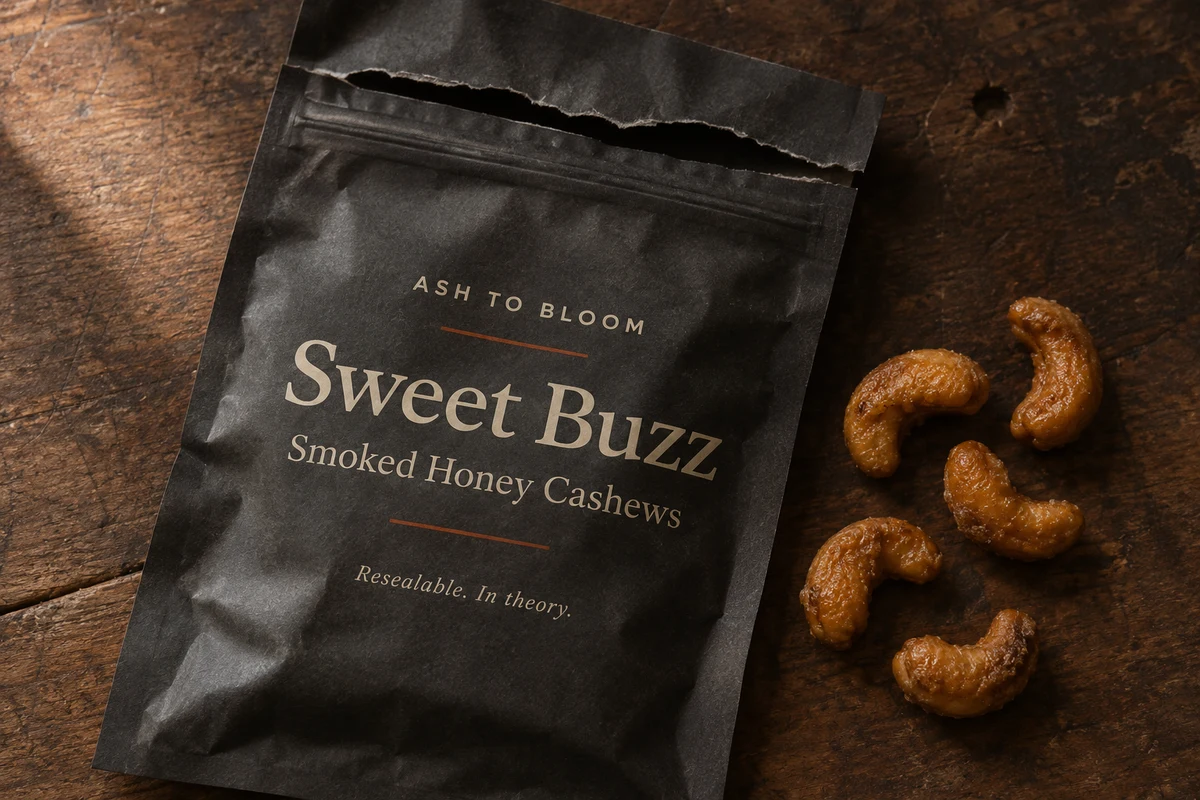
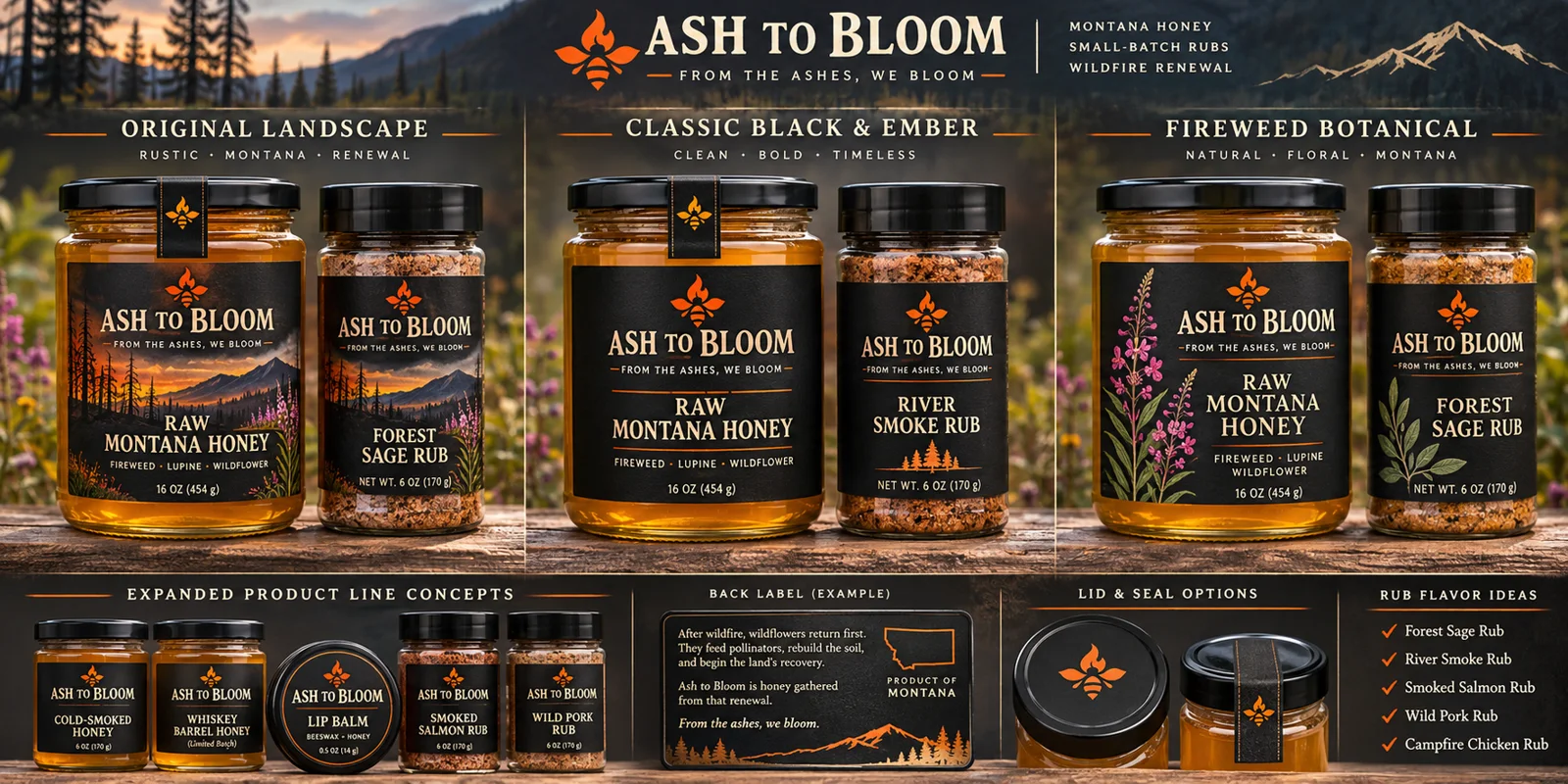
“Ash to Bloom started with a simple idea: make honey and seasonings we’d reach for in our own kitchen. Wildflower honey comes first. From there, we’re trying new ways to take honey from the breakfast table to the grill, alongside small-batch Forest Sage and BBQ rubs.”
07.06 What comes after the fire
“The part of a wildfire story that stays with us is what comes afterward. Wildflowers return. Bees find new places to forage. The hillside starts to look alive again in its own time.
The flowers come back first, and the forest takes longer. That’s why we’ve pledged 10% of our profits toward reforestation, to help the trees catch up.
It’s a small promise, kept one jar at a time.”